
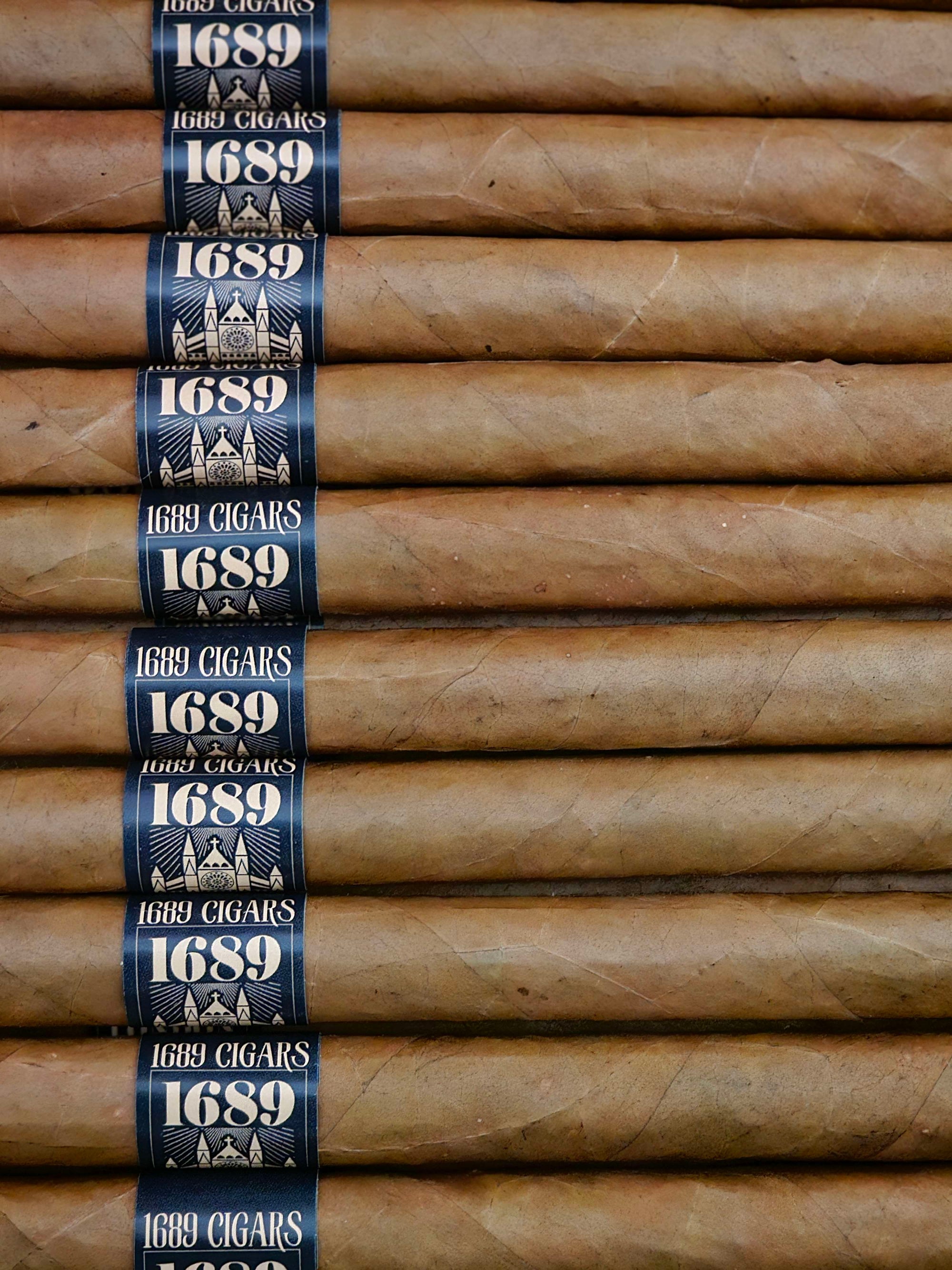
A good Reformation Day smoke night does not need a stage, a sound system, or a complicated program. It needs a clear invitation, a comfortable place to sit, something worth sharing, and enough structure to keep the evening from drifting.
For pastors, church groups, and laymen, October 31 can be an excellent opportunity for warm fellowship among adults. With a little planning, a cigar gathering can be hospitable rather than exclusive, thoughtful rather than performative, and rooted in Christian liberty rather than pressure.
Reformation Day commemorates the events surrounding Martin Luther’s 1517 Ninety-five Theses. More importantly for the church today, it gives us an occasion to remember the recovery of biblical authority, justification by grace through faith, and the responsibility of every Christian conscience to stand under God’s Word. A smoke night will not replace worship or sound teaching, but it can create a setting for conversation, gratitude, and brotherly affection.
Here are seven steps to make it work.
1. Set the date and invite people well
If you are hosting on Reformation Day itself, October 31 is the obvious choice. In 2026, it falls on a Saturday, which makes the evening especially convenient for many church members. If that date conflicts with family or church commitments, choose the nearest evening and explain the reason clearly.
Send invitations at least two weeks in advance. A simple message is better than a vague announcement:
“Join us for an adult Reformation Day fellowship evening with cigars, coffee, food, and a brief discussion on Scripture, Christian liberty, and the Reformation. Smoking is optional; conversation is not.”
That wording accomplishes several things. It tells guests what to expect, welcomes non-smokers, and prevents the event from feeling like a private club. Be clear that the gathering is for adults of legal smoking age and that no one will be pressured to use tobacco. Guests should also know whether they need to bring a chair, a cigar, or a dish to share.
Pastors may want to mention the event from the pulpit or in the church bulletin, but keep the invitation balanced. This is a fellowship opportunity, not a substitute for the Lord’s Day gathering or a new test of Christian maturity.
2. Choose a space that serves conversation
The best location is not necessarily the most impressive one. Choose a space where people can hear one another, move around easily, and stay reasonably comfortable as the evening cools.
Good options include:
- A covered porch with outdoor heaters
- A garage with the door raised for ventilation
- A backyard firepit area
- A covered patio
- A church pavilion or fellowship hall, where local rules permit outdoor smoking nearby
Arrange chairs in a loose circle rather than rows. A long table is useful for food and cigars, but the conversation should remain the center of the room. Keep ashtrays visible and provide a place for guests to set drinks safely.
Ventilation matters. Smoke should not be forced toward a doorway, neighboring property, or anyone who is trying to avoid it. If children will be present at another part of the property, keep tobacco products completely separate and secured. Before finalizing the location, check church policies, local ordinances, and any restrictions on smoking near public buildings.

3. Keep food and drink simple, generous, and accessible
A smoke night does not require a catered meal. In fact, simple fare often works better. Guests can eat without interrupting the flow of conversation, and the host is not trapped in the kitchen.
Consider serving:
- Coffee, both regular and decaf
- Bottled or chilled water
- Dark soda, root beer, or cola
- Chili, soup, sandwiches, or barbecue
- Nuts, crackers, cheese, and fruit
- Cookies, brownies, or another unfussy dessert
Alcohol may be offered by the host where appropriate and lawful, but it should remain optional and non-central. Coffee, water, and dark soda should be available first and in abundance. A gathering centered on Christian fellowship should never make drinking alcohol feel like the price of admission.
This is also a practical expression of hospitality. The goodness of creation includes the ordinary gifts placed before us: warm coffee, a well-made meal, fragrant tobacco, and time shared with friends. Christians receive such things with thanksgiving, while remembering that none of them is the substance of our joy.
4. Choose cigars for the group and pace them wisely
A mixed-experience group needs a gentle beginning. Do not place the fullest cigar on the table first and expect a first-time smoker to keep pace with seasoned enthusiasts.
Start with mild-to-medium options, then offer fuller cigars later in the evening. A practical progression might look like this:
- A Connecticut-wrapped cigar with a softer, creamier profile
- A Habano-wrapped cigar with more spice and body
- A Maduro-wrapped cigar with deeper notes of cocoa, coffee, earth, or leather
These are broad wrapper expectations, not guarantees; each blend and construction will differ. The point is to give guests a comfortable entry point and let them choose their own pace.
A sampler is often easier than buying several full boxes. The 1689 Cigars blends collection includes the London, Westminster, and Savoy lines in different wrapper styles, making it possible to offer variety without turning the evening into a product demonstration. The Brotherhood Collection can also be useful when you need multiple cigars for a larger group.

Give each guest a cutter and lighter, or designate one experienced person to help. Explain how to cut and light a cigar without making anyone feel foolish. Encourage guests to smoke slowly. A cigar is not a race, and a properly made cigar rewards patience.
Most importantly, do not assume every guest wants a cigar. Some will want to smell the tobacco, ask questions, and enjoy the fellowship without smoking.
5. Prepare a 10–15 minute Reformation discussion
The theological portion should be short enough to respect the evening and substantial enough to give it purpose. Ten to fifteen minutes is usually sufficient.
A host, pastor, or elder could briefly explain that Reformation Day remembers the church’s call to return to the authority of Scripture and the sufficiency of Christ. Then use one or two of these prompts:
- What does sola Scriptura mean for the ordinary Christian’s life today?
- How is liberty of conscience different from simply doing whatever we want?
- How should the gospel of grace shape the way Christians welcome one another?
- What does it mean to receive the created world with gratitude without turning good gifts into idols?
Read a short passage before discussion, perhaps Psalm 119:105, Romans 14:1–12, 1 Peter 4:8–10, or 1 Corinthians 10:31. Keep the tone conversational. The purpose is not to win a debate over secondary questions, but to encourage thoughtful obedience to God’s Word.
Christian liberty is especially important here. Scripture does not command cigar smoking, and a cigar is never a measure of spiritual maturity. Some Christians will partake; others will abstain. Both should be treated with patience and respect where conscience is not being violated.
6. Make hospitality visible to non-smokers
The easiest way to exclude people is to treat non-smokers as spectators. Instead, make sure the entire gathering offers something worth enjoying.
Set up a smoke-free seating area nearby. Place it where guests can still hear the conversation but are not sitting in the densest part of the smoke. Keep extra coffee and food there. Invite people to bring a book, join the discussion, or simply sit and talk.
You can also provide a small tobacco-free activity:
- A display of different wrapper leaves
- A brief demonstration of cigar construction
- A table of historic Christian books
- A simple Reformation-themed trivia sheet
- A conversation prompt about church history or Christian hospitality
Ask guests what they prefer rather than trying to persuade them. “Would you like to try one?” is hospitable. “You should really smoke one” is not.
This is where the event’s Christian character becomes most visible. Hospitality does not mean making everyone identical. It means receiving people with patience, giving them room to participate, and refusing to make secondary preferences the basis of fellowship.
7. Close the night with gratitude and order
A gathering often succeeds or fails in its final fifteen minutes. Do not let the evening simply dissolve into people standing around in a cloud of smoke, wondering whether the host wants them to leave.
Give the night a clear close. Thank everyone for coming, gather empty cups and food, and offer a brief prayer of gratitude. You might pray for the local church, faithful preaching, wise consciences, and the grace to welcome others as Christ has welcomed us.
If the discussion has been especially meaningful, summarize one sentence from it. If someone shared a difficult story, follow up later. Fellowship is strengthened not only by the gathering itself but by the care that continues afterward.
Before guests leave, make sure the fire is out, cigars are extinguished, tobacco is secured, and the space is clean. A well-hosted evening should leave behind good memories, not a mess for someone else to manage.
For more cigar education, browse the 1689 Cigar Co. reviews and articles. And because tobacco is intended for adults only, review the company’s FDA and tobacco product disclaimer, follow local laws, and use tobacco responsibly.
Reformation Day fellowship works when the cigar remains what it ought to be: a crafted pleasure at the edge of the conversation, not the center of Christian identity. The center is Christ, his Word, and the grace that makes genuine fellowship possible.
A Reformation Day riddle
I am rolled, but I am not a scroll.
I burn slowly, but I am not a sermon.
I bring people together, but I am not the church.
What am I?
A cigar, best enjoyed with good company and better conversation.

0 comments