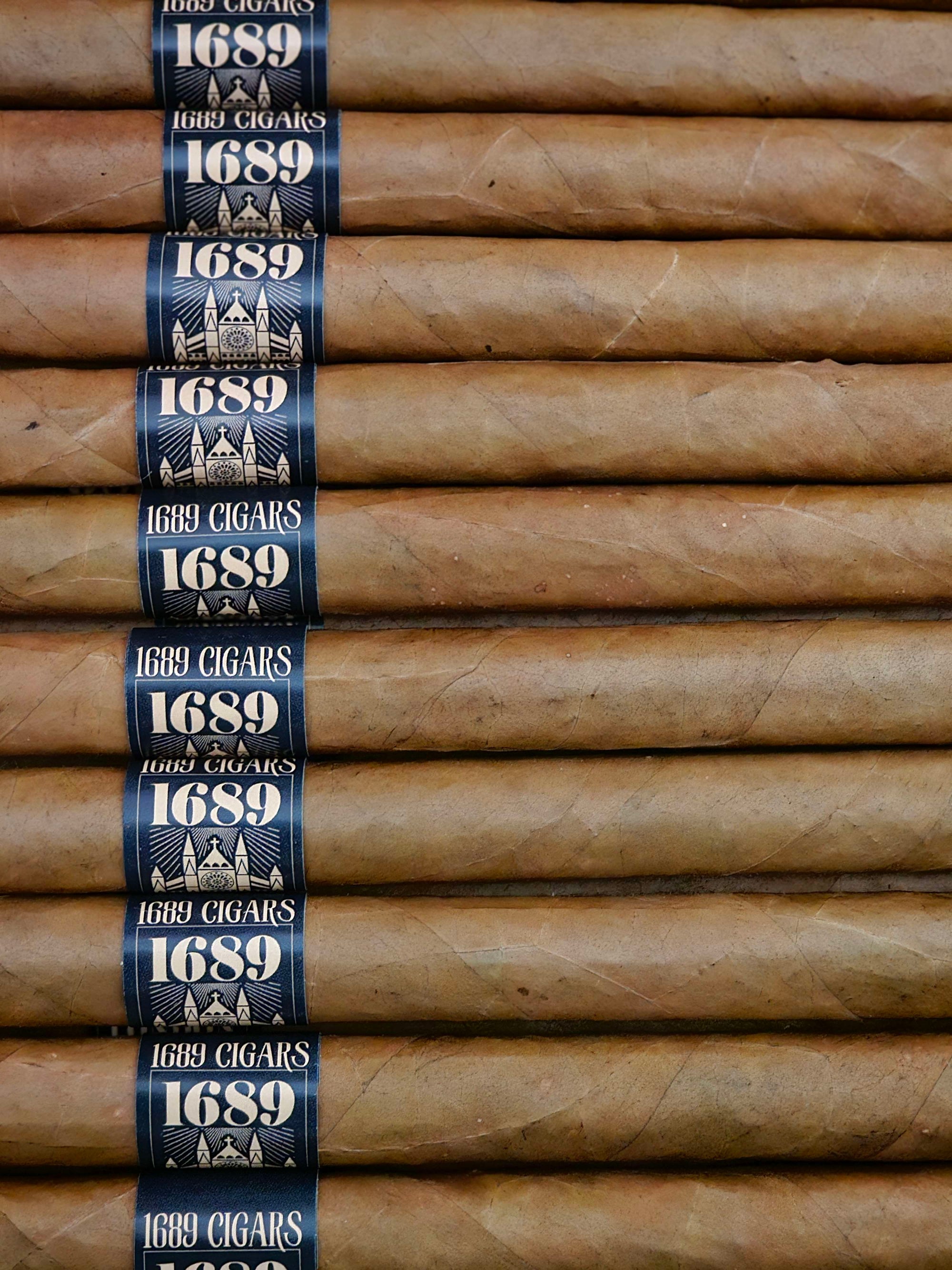
The wrapper is the cigar’s first handshake. It meets the flame, shapes the opening aroma, and often sets the tone for the entire smoking experience. But it is not the whole story.
A Connecticut wrapper may bring cream and cedar. Habano may add spice and earth. Maduro may offer cocoa, espresso, and dark sweetness. Yet wrapper color alone does not determine nicotine strength: and the darkest cigar in the humidor is not automatically the strongest fellow at the table.
To choose wisely, look beyond the shade of the leaf. Wrapper, binder, filler, tobacco origin, fermentation, construction, and smoking pace all work together. The result is less like a single ingredient and more like a carefully composed symphony.
What the Wrapper Actually Does
A premium cigar generally contains three tobacco components:
- Wrapper: The outer leaf, chosen for appearance, texture, aroma, and a significant portion of the cigar’s flavor.
- Binder: The leaf that holds the filler together and helps regulate combustion.
- Filler: The internal tobaccos that provide much of the cigar’s body, nicotine, core flavor, and complexity.
Because the wrapper is the part you see and taste immediately, it often receives all the glory. That is a little unfair to the hardworking filler tobaccos buried inside, but such is life in the cigar trade.
The wrapper can influence:
- Flavor: Cream, spice, pepper, cocoa, cedar, earth, coffee, or sweetness.
- Aroma: The fragrance produced before and during combustion.
- Mouthfeel: Whether the smoke feels light, silky, dense, or oily.
- Perceived strength: How powerful the cigar seems on the palate.
- Burn behavior: How readily the cigar consumes, though construction and humidity are equally important.
Still, the binder and filler generally have a greater effect on actual nicotine impact than wrapper appearance. A mild Maduro is entirely possible. So is a formidable Habano.
Connecticut Cigars: Creamy, Gentle, and Easygoing
Connecticut wrappers are usually pale gold to light tan, with a smooth and refined appearance. Many Connecticut leaves are shade-grown, producing a thinner, more delicate wrapper with a softer character.
Typical Connecticut notes include:
- Cream
- Cedar
- Toasted bread
- Almond or mild nuttiness
- Hay-like sweetness
- Light vanilla or citrus
The aroma tends to be understated rather than room-filling. The body is commonly mild to mild-medium, making Connecticut cigars a natural choice for a morning smoke, a shorter session, or an occasion when you want conversation to remain the main event.
How Connecticut Often Burns
A thinner wrapper can burn readily and evenly when the cigar has been properly constructed and stored. That does not mean every Connecticut cigar will burn perfectly. Draw, humidity, filler density, and the smoker’s pace still matter.
Smoking too quickly can make even a mild Connecticut taste hot or sharp. A patient cadence lets its softer flavors remain clean and silky.

Habano Cigars: Spice, Earth, and Greater Intensity
Habano wrappers are commonly medium brown to reddish-brown and may have a noticeable sheen from their natural oils. The term “Habano” does not, by itself, mean the tobacco came from Cuba. It generally refers to a wrapper type, seed lineage, or style associated with a richer, spicier profile.
Common Habano notes include:
- Black pepper
- Baking spice
- Cedar
- Earth
- Leather
- Coffee
- Caramelized sweetness
Compared with Connecticut, Habano usually feels more assertive. The smoke may carry greater body, a livelier retrohale, and more obvious spice. This makes Habano a good fit for an afternoon or evening session when you want the cigar to have a little more to say.
That “little more” can become quite a sermon if you smoke too aggressively. Slow down, especially with a larger ring gauge or a blend containing robust Nicaraguan fillers.
How Habano Often Burns
Habano leaf may be oilier and more substantial than Connecticut, which can influence burn speed and smoke texture. However, oiliness is not a guarantee of a difficult burn. A well-made Habano should perform consistently when properly humidified.
If a Habano cigar tastes hot, bitter, or unusually sharp, the first suspects should be smoking pace, draw, humidity, and construction: not merely the wrapper.

Maduro Cigars: Darker Color, Richer Flavor, Not Automatically More Nicotine
Maduro is a process and style, not simply a color. Maduro tobacco typically undergoes extended fermentation, which develops a darker appearance and often produces a richer, sweeter flavor profile.
Common Maduro notes include:
- Dark chocolate
- Espresso
- Cocoa
- Molasses
- Earth
- Dried fruit
- Sweet pepper
Maduro cigars frequently feel fuller because their flavor is dense and their smoke can have a heavier mouthfeel. That richness is sometimes mistaken for high nicotine. The two are not the same.
A dark wrapper may taste powerful while delivering moderate nicotine. Conversely, a lighter cigar can contain strong filler tobaccos and produce a substantial nicotine effect. The mysteries of the universe are many; wrapper color is not a reliable nicotine chart.
How Maduro Often Burns
Maduro wrappers can be thicker and more heavily fermented, sometimes contributing to a slower, cooler burn. But cigar construction remains decisive. A tightly rolled cigar, regardless of wrapper, may struggle to burn. A properly made cigar with balanced airflow should perform well.
Maduro is often a fine choice for an unhurried evening session, particularly when you want depth and sweetness rather than bright spice.

Side-by-Side Comparison
| Wrapper | Common Flavor Profile | Typical Body | Perceived Strength | Burn Tendencies | Best For |
|---|---|---|---|---|---|
| Connecticut | Cream, cedar, nuts, toast, light sweetness | Mild to mild-medium | Gentle | Often readily burning; pace and construction still matter | Morning, introductions, relaxed conversation |
| Habano | Pepper, earth, spice, cedar, coffee | Medium to medium-full | Noticeably more assertive | Usually steady, with oils and density affecting performance | Afternoon or evening sessions |
| Maduro | Cocoa, espresso, molasses, earth, dried fruit | Medium to full | Rich and powerful-tasting, but not automatically high nicotine | Often slower and denser, depending on construction | Long, contemplative evenings and dessert-like profiles |
These are broad tendencies, not commandments engraved on a stone tablet. Tobacco is agricultural, and every crop, fermentation batch, and blend brings its own character.
How the 1689 Lines Illustrate the Difference
The 1689 Cigars collection offers a useful way to explore wrapper contrast without treating wrapper as the entire blend.
The London line is represented across Connecticut, Habano, and Maduro expressions. The London Connecticut offers a lighter entry point, while the London Habano presents a darker, spicier direction. The London Maduro moves toward richer, deeper notes. The underlying experience changes because the wrapper changes, but the exact result still depends on the filler, binder, origin, and format.
You can explore the London Connecticut Gran Toro, London Habano 6x52 Nicaraguan Puro, and London Maduro Toro as reference points.
The Westminster line includes Connecticut and Maduro examples in the current catalog. That pairing creates a particularly clear contrast: lighter and more restrained on one side, darker and more concentrated on the other. See the Westminster Connecticut 6x52 and Westminster Maduro Toro.
The Savoy line is represented by a Habano Toro, giving smokers a chance to experience the medium-to-full, spicy, earth-forward character associated with that wrapper style. The Savoy 1658 Habano Toro is a useful example of how a brown, oily wrapper can bring more pronounced spice and body without reducing the cigar to brute force.
Availability and formats can change, so treat each listing as the most accurate guide to current offerings. More importantly, do not assume that a Connecticut, Habano, or Maduro version will taste identical apart from its wrapper unless the manufacturer specifically confirms that the binder and filler are unchanged.
Choosing by Palate and Occasion
Choose Connecticut when you want:
- A mild, creamy profile
- Softer aromas
- A forgiving introduction to premium cigars
- A companion for morning coffee or easy conversation
Choose Habano when you want:
- More spice and pepper
- Greater earth and cedar
- Medium to full body
- A cigar with a livelier retrohale and a little more authority
Choose Maduro when you want:
- Dark sweetness
- Cocoa, coffee, or molasses notes
- A fuller mouthfeel
- A slower, richer session
When in doubt, compare the same size cigar at the same smoking pace. Cut consistently. Store each cigar properly. Take several minutes between puffs. The palate notices more when it is not being hurried down the high plains.
A Better Way to Compare Wrappers
For a useful personal tasting, record four things:
- First third: What appears immediately: cream, spice, sweetness, or earth?
- Middle third: Does the cigar become richer, sharper, or more balanced?
- Final third: Does the flavor deepen, turn bitter, or remain smooth?
- Physical effect: How does the nicotine impact feel, if at all?
Keep body, flavor intensity, and nicotine separate in your notes. A cigar can be full-flavored without being high in nicotine. It can also be mild in flavor while carrying more nicotine than expected.
That distinction is the difference between reading a cigar and merely looking at it.
Riddle for the Road
I wear gold, brown, or midnight black,
Yet color alone reveals no strength I lack.
I meet the flame, but do not stand alone:
What am I?
Answer: the wrapper leaf.
Tobacco-Age Disclaimer
Tobacco products contain nicotine, an addictive substance. For adults 21 and older only. Smoking and tobacco use carry serious health risks. This article is for educational purposes and is not medical advice. Do not smoke if you are pregnant, have a medical condition affected by nicotine, or have been advised by a healthcare professional to avoid tobacco. Follow all applicable federal, state, and local laws.
0 comments