
Modern culture has a nasty habit of trying to sanitize history. We want our heroes to fit into our sterilized, safety-first, plastic-wrapped world. But J.R.R. Tolkien: the man who essentially built the foundation of modern mythology: would have had absolutely no time for it. He didn't want a sterilized world; he wanted a world that smelled of old books, wet earth, and, most importantly, good tobacco.
The Professor wasn’t just a casual puffer. He was a committed, dedicated, and highly skilled smoker who saw the pipe not as a vice, but as a necessary companion to the intellectual and spiritual life. If you’ve ever wondered why the Hobbits are so obsessed with "pipe-weed," it’s because their creator was obsessed with it first. But he didn't smoke some magical fantasy herb. He smoked the real stuff.
The Blend: Capstan Blue and the Virtue of Patience
If you want to smoke like the man who wrote The Lord of the Rings, you aren't looking for heavy aromatics or cherry-scented fluff. Tolkien was a man of tradition and substance. His everyday tobacco of choice was Capstan Medium Navy Cut, specifically the "Blue" tin.
This is a straight Virginia flake. For the uninitiated, Virginia tobacco is the backbone of the tobacco world, known for its natural sweetness, hay-like notes, and a subtle citrus finish. But it’s not "easy" tobacco. It requires a certain level of discipline. If you puff too hard, it’ll bite back with a heat that’ll ruin your afternoon. If you don’t give it the respect it deserves, you’ll miss the complexity hidden beneath its simple profile.

Tolkien’s preference for Virginia flakes tells us everything we need to know about his character. He appreciated the "simple" things that were actually deeply complex. He liked things that required you to slow down. You can’t rush a bowl of Capstan Blue, just like you can’t rush the writing of an Elvish language or the history of the Second Age. It demands that you sit still, find a rhythm, and actually think.
The Habits of a Master Smoker
Tolkien was rarely seen without a pipe. It was his constant companion during his tutorials at Oxford and his marathon writing sessions at home. He favored the Billiard shape: a classic, straight-stemmed pipe with a thick bowl that feels substantial in the hand. It’s a no-nonsense design for a man who valued function over flash.
He was also famous for his ability to blow smoke rings: a skill he gave to Gandalf and the Hobbits. This wasn't just a party trick; it was a testament to his control and his enjoyment of the physical properties of smoke. According to his family, he never inhaled. Like a true connoisseur of the leaf, he understood that the flavor and the "incense" were meant for the palate and the air, a ritual of the senses that didn't require the frantic lung-filling of a modern cigarette smoker.
When he sat down to write, the pipe was the catalyst. He once wrote to his son Christopher that he felt he couldn't write properly without it. The smoke created a boundary between him and the mundane world, a hazy veil that allowed the Shire and Gondor to come into focus.
Pipe-Weed: Not a Fantasy Drug
Let’s clear up one of the most annoying misconceptions in modern fandom: "pipe-weed" is not marijuana. Tolkien was very clear in the prologue to The Lord of the Rings that pipe-weed is a variety of Nicotiana: true tobacco.
The varieties found in Middle-earth: Longbottom Leaf, Old Toby, and Southern Star: were his way of mythologizing the real-world pipe tobacco blends he enjoyed. When Merry and Pippin find a stash of Saruman's tobacco at Isengard, they aren't finding a drug; they’re finding a piece of home. They’re finding a connection to the simple, grounded virtues of the Shire in the midst of a world being torn apart by industrialization and war.

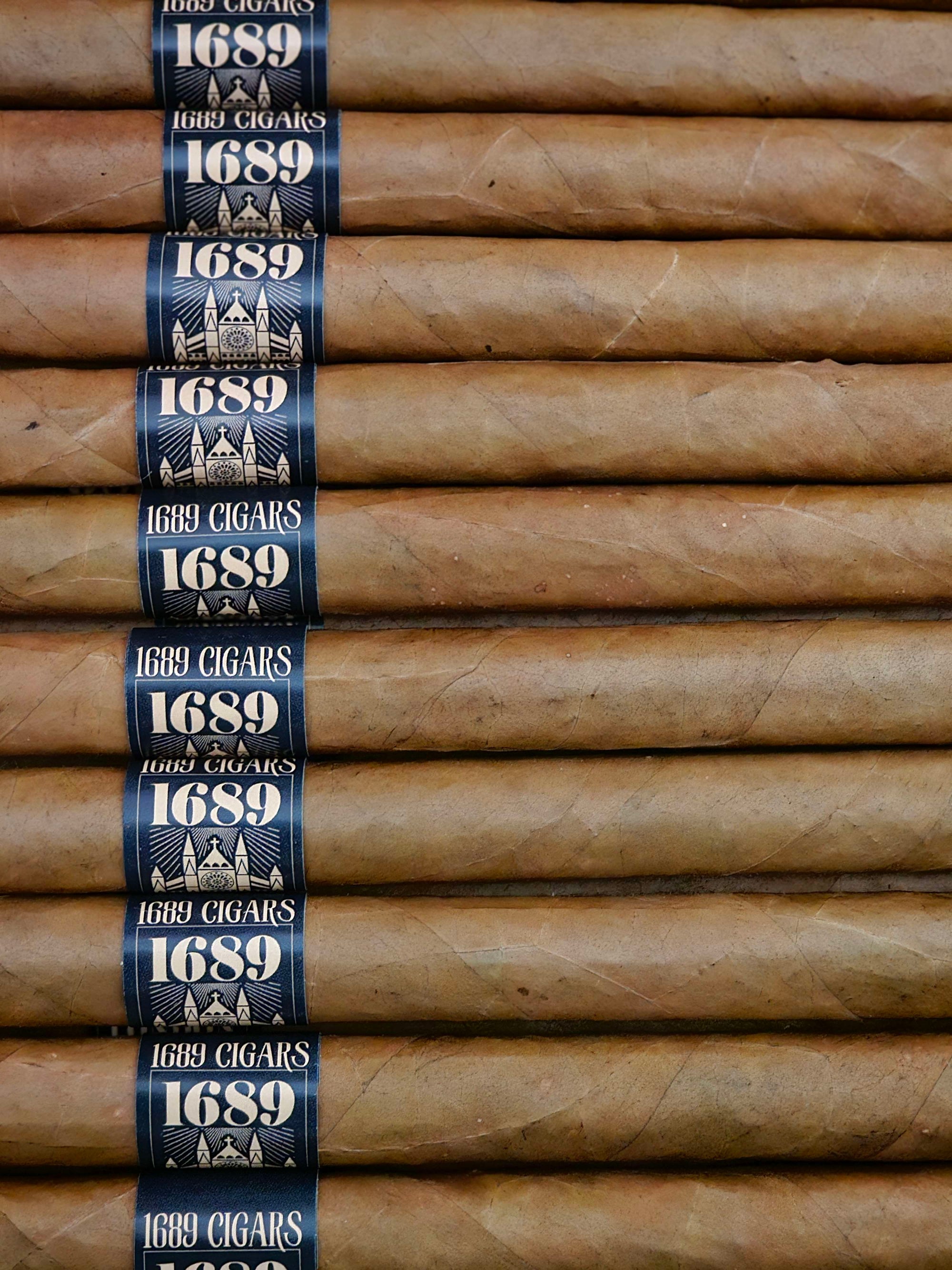
Tolkien hated "The Machine": the cold, soulless industrialization that destroyed the countryside. To him, the pipe represented the opposite. It was a craft. It was agriculture. It was a tradition passed down from one generation to the next. In our own work at 1689 Cigar Co., we share that same conviction. Whether it’s our signature 1689 Cigars blends or our custom pipe tobacco efforts, we believe in products that honor the earth and the hands that worked them.
The Theology of Tobacco: Why We Smoke
Why does a Reformed Christian cigar company care about what an Oxford professor smoked? Because we believe in a theology of tobacco. We believe that God gave us the leaf as a common grace: a way to pause, reflect, and enjoy the fruits of creation.
Tolkien understood that the world is a heavy place. He lived through the horrors of the trenches in WWI. He watched the world catch fire again in WWII. He knew that evil was real and that the "Long Defeat" was a constant struggle. In that context, the "simple pleasure" of a pipe wasn't an escape; it was an act of defiance. It was a way of saying that even in a fallen world, there are things worth savoring. There is peace to be found in a quiet room with a good book and a steady burn.
When we craft our Reformed Cigars, featuring figures like John Knox and Spurgeon, we’re tapping into that same spirit. These were men who fought hard for the truth but also knew how to enjoy a smoke to the glory of God. They didn't apologize for their enjoyment, and neither do we.
Keeping the Tradition Alive
Whether you’re reaching for a tin of Virginia flake or one of our premium handcrafted cigars, you’re participating in a tradition that spans centuries. Our London, Westminster, and Savoy lines are built on this same foundation of quality and craftsmanship. We don't make "fast" products. We make cigars that require your attention.

If you’ve never tried a pipe, perhaps it’s time to take a page out of the Professor’s book. Put down the phone, turn off the news, and pick up a billiard. Find a blend that challenges you: something like our custom pipe tobacco selections that mirror the complexity of the old British Navy Cuts.
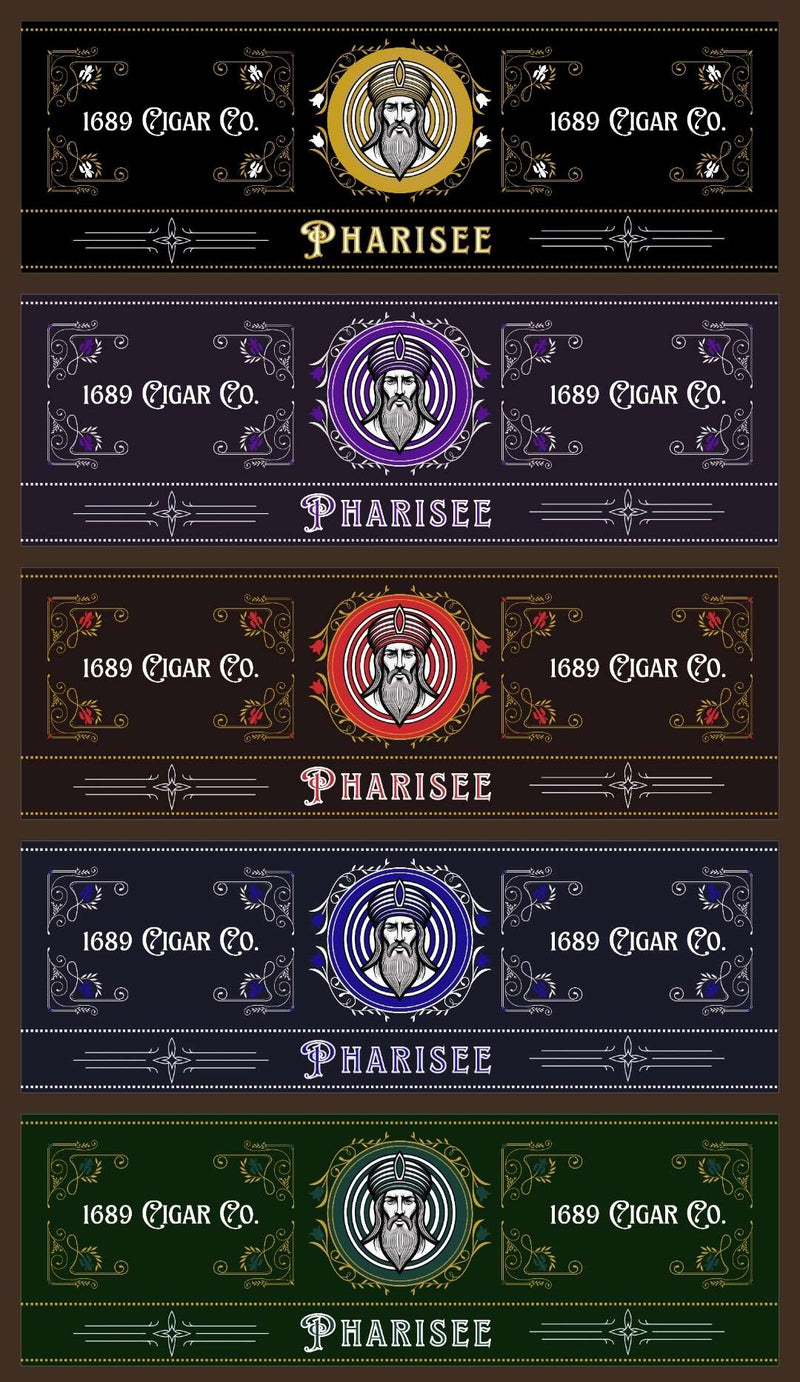
If you prefer the larger format, our Pharisee Infused Cigars offer a different kind of ritual: sweeter, approachable, but still grounded in premium tobacco. The point isn't just the nicotine; it’s the time you spend with it. It’s the conversation it facilitates. It’s the community it builds.
A Call to Slow Down
Tolkien's world was one of maps, genealogies, and deep-rooted history. Our world is one of 280-character hot takes and instant gratification. We need more "hobbit-like" habits. We need more moments where we sit on the porch, blow a smoke ring, and contemplate the things that actually matter.
So, the next time someone tells you that tobacco is a dirty habit, tell them they’re arguing with the man who gave us Middle-earth. Tell them they’re missing out on a vital part of the intellectual tradition. Better yet, don't tell them anything. Just light up, lean back, and enjoy the "incense drifting to heaven."

At 1689 Cigar Co., we’re proud to be part of that legacy. We’re not just selling tobacco; we’re selling a reason to slow down. We’re selling a reminder that tradition still matters. Grab a box of our signature 1689 blends, find a comfortable chair, and see if you don't start seeing the world a little more like the Professor did.
The "Machine" can wait. The pipe is ready.

0 comments