
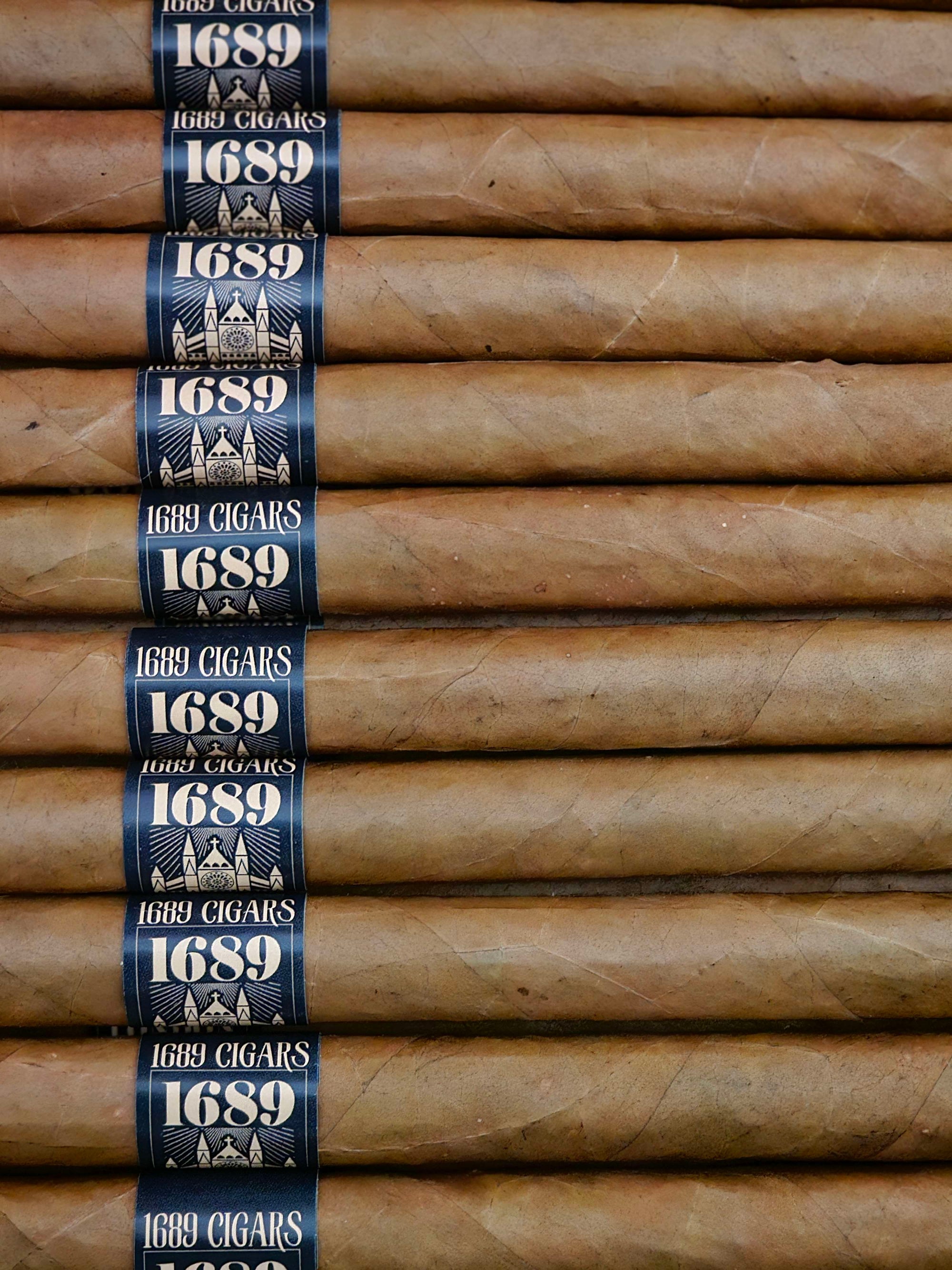
If you’ve ever sat back with a truly great cigar and wondered why that first puff felt less like a punch in the throat and more like a handshake from an old friend, you’ve probably tasted Jalapa.
In the cigar world, everyone talks about strength. Everyone talks about power. They want the "kick" of Estelí or the raw grit of a sun-grown leaf. But sweetness? Sweetness is where the nuance lives. It’s what separates a "smoke" from an experience.
The Jalapa Valley in Nicaragua is a geographical miracle. It’s tucked up near the Honduran border, and for decades, it’s been the secret sauce for some of the world’s most respected premium cigars. Why? Because Jalapa tobacco is naturally, scientifically sweet.
It’s not artificial. It’s not "infused" (though we love a good Pharisee for that). It’s chemistry, soil, and a little bit of God’s common grace.
The "Cuba" of Central America: It’s in the Soil
When you look at the ground in Jalapa, you see red. Not just a dusty brown, but a deep, vibrant, iron-rich red clay. This volcanic soil is almost identical to the legendary Vuelta Abajo region in Cuba.

This isn’t just about aesthetics. This soil is packed with Potassium (K) and Magnesium (Mg). In the plant world, Potassium is the logistics manager. It’s responsible for transporting sugars from the leaves to the rest of the plant. Magnesium is the engine of photosynthesis.
Because the soil in Jalapa is so mineral-dense, the tobacco plants become sugar-making machines. They produce more carbohydrates than their cousins in other regions. When those leaves are harvested and cured, those sugars remain.
Why Soil Matters for the Burn
High-elevation volcanic soil is also naturally low in chlorine. Why does that matter? Simple. Low chlorine equals perfect combustion. A clean burn allows you to taste the natural oils and sugars without the bitterness of char. If you’re reading cigar reviews and see notes of "honey," "caramel," or "sweet cedar," you’re looking at a blender who knows how to use Jalapa leaf.

The Altitude: Why Cool Nights Build Sweet Leaves
Jalapa sits high: roughly 900 to 1,200 meters above sea level. This altitude creates a specific biological effect called the "net sugar gain."
During the warm, sunny Nicaraguan days, the tobacco plants are working overtime, pumping out sugars through photosynthesis. In the lowlands, the nights stay hot. The plant stays active, burning off all that sugar just to survive the heat.
But in Jalapa? The nights are cool. The plant goes into a resting state. It doesn't burn the sugar it made during the day. It stores it.
The result? A leaf that is literally saturated with natural sweetness. This is why our Vega de Jalapa collection has that signature smooth, creamy finish. Whether it’s the Habano cigars with their spicy-sweet balance or the Connecticut cigars that taste like toasted cream, the altitude is the silent partner in the blend.
The Genetics: Criollo 98 and Corojo 99
You can’t just plant any seed and expect gold. You need the right lineage. In Jalapa, we lean heavily on two heavyweights: Criollo 98 and Corojo 99.
- Criollo 98: This is the workhorse. It’s known for being incredibly aromatic and flavorful. In the Jalapa terroir, it loses its aggressive bite and develops a deep, cocoa-like sweetness.
- Corojo 99: This is the elegance. It’s a wrapper-leaning seed that produces a reddish hue and notes of cedar and honey.
When these seeds hit that red Jalapa soil, they express their best traits. It’s like a world-class musician playing in a hall with perfect acoustics. The environment brings out the brilliance that was already in the DNA.
The Slow Cook: Fermentation and Time
You can have the sweetest leaf in the world, but if you rush it, it’ll taste like ammonia and grass. Jalapa tobacco is dense. It’s hearty. Because of that, it requires a slow, patient fermentation process.
We stack the leaves in large piles called pilones. The natural moisture and weight create heat. Over months: sometimes years: the leaf slowly releases impurities. This is where the Maillard reaction happens: the same chemical reaction that makes a seared steak or toasted bread taste good.
The amino acids and sugars in the leaf interact under heat to create complex aromatic compounds. This is where you get those notes of roasted nuts, dark chocolate, and leather. If you rush this, you lose the sweetness and gain bitterness. We don't rush. We’re Reformed; we believe in the sovereignty of time.
The Theology of Tobacco: Is Smoking a Sin?
We get the question a lot: is smoking a sin for christian?
Look, we aren't here to play "Pharisee" (pun intended). But we do believe in the theology of tobacco. Every good thing comes from the Father of Lights. God didn't have to make tobacco leaves taste like cocoa and cedar. He didn't have to make the Jalapa Valley have red soil and cool nights. But He did.
Smoking a premium cigar is an act of enjoying creation. It’s a slow, deliberate pause in a fast-paced, digital world. It’s a chance to sit with brothers, talk theology, and appreciate the craftsmanship that went into every roll.
Our Reformed Christian cigars aren't just a gimmick. They are a statement that we can enjoy the finer things in life to the glory of God. Whether you're smoking a Maduro cigars blend after a long Sunday or lighting up a Toro during a study session, you're participating in a tradition that spans centuries.
Taste the Valley: The Vega de Jalapa Collection
If you want to experience everything we just talked about, you need to head straight for the Vega de Jalapa Factory Direct line.
We’ve cut out the middleman to bring you the purest expression of the valley.
- The Connecticut: For those who want that creamy, honeyed sweetness. Perfect for a morning coffee.
- The Habano: The quintessential Jalapa experience. Spicy, woody, and intensely sweet.
- The Maduro: For when you want that deep, dark chocolate and espresso profile without the harshness.
A cigar. A statement. A seed.
Stop settling for cigars that just "burn." Start smoking something that has a soul. The Jalapa Valley put in the work( all you have to do is light it up.)

0 comments