The Story of the Connecticut Cigar Wrapper
The Land, The Farms, The Families, And The Question We Must Ask
If you want to understand the soul of American cigar history you have to start in one place. The Connecticut River Valley. From Windsor down to Suffield and south through Hartford and Enfield the soil here created two of the most important wrapper styles the world has ever known. Connecticut Shade and Connecticut Broadleaf.
But wrappers do not grow themselves. They came from real farms run by real families who gave their lives to the soil. This is their story.
The Birthplace of Connecticut Shade
Windsor, Connecticut
The Shade revolution began in Windsor, one of the oldest tobacco towns in America. Early in the twentieth century farmers began battling intense competition from imported Sumatra wrappers. They needed something new and they created it.
The Schreiner and Phelon Families
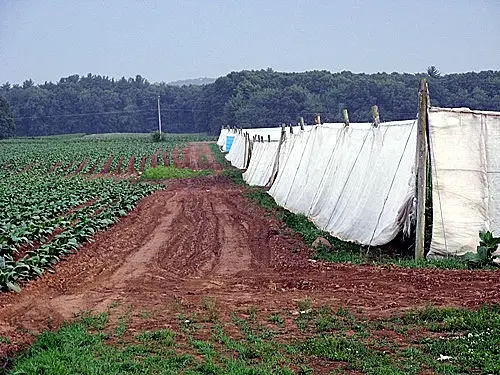
Growers like Edward Schreiner and the Phelon family were early adopters of shade tenting. They stretched cheesecloth over acres of young tobacco plants and discovered a leaf that changed the market. The shade method produced a golden wrapper that became the go to leaf for premium cigars across the world.
The Culbro and Cullman Legacy
Soon the Cullman family established the massive Culbro Corporation, which eventually became General Cigar. They were not just farmers. They were empire builders. They perfected the tent system, built massive tent cities across Windsor and Hartford, and turned Connecticut Shade into a global brand. If you smoked a shade cigar before the twenty first century there is a good chance it came from a Cullman field.

Connecticut Broadleaf
The Dark Leaf of Suffield and Enfield
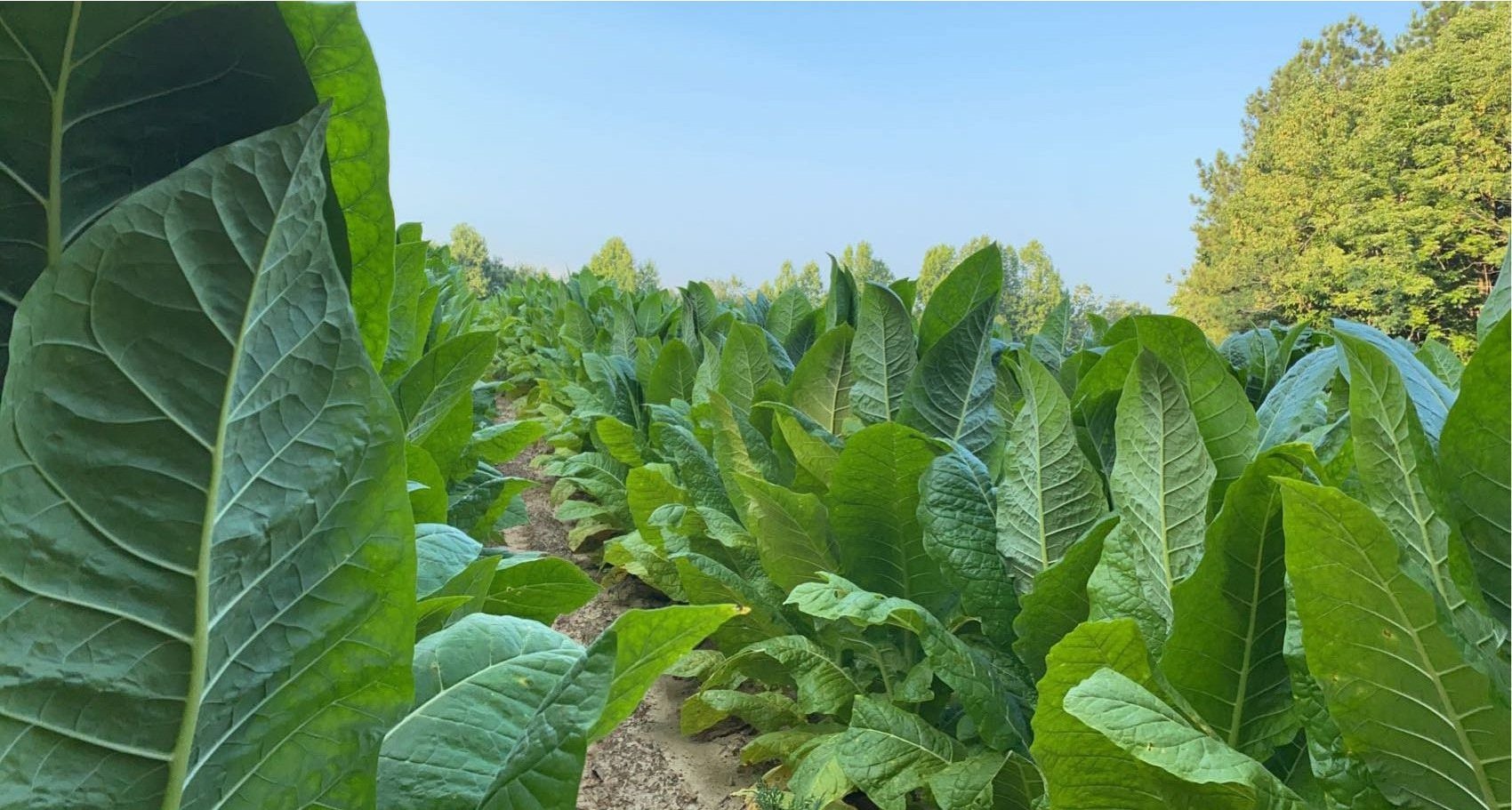
While the Shade growers innovated with tents the Broadleaf growers built an even older tradition. Broadleaf is rustic and powerful. It grows in full sun and it was the pride of farms in Suffield, Enfield, and Hartford County.
The Hall Families
The Hall family farms in Suffield were known for thick rich Broadleaf that went into many early American maduros. These were multi generation farms where fathers and sons worked the same fields year after year. Broadleaf is a tough leaf. It grows on tough land. And it came from tough families.
The Hatheway Farm
One of the oldest documented Broadleaf producing farms was the Hatheway Farm in Suffield, active in the eighteen hundreds and early nineteen hundreds. Their leaf supplied cigar factories from New York to Philadelphia.
The Hartman Tobacco Farm
In Barkhamsted and New Hartford, the Hartman farm grew both Shade and Broadleaf and remains one of the few surviving historic farms today. They are one of the last families still growing Connecticut wrapper in a region that used to be filled with hundreds of farms.
East Hartford and the Golden Age
The Thrall Family
The Thrall family of East Windsor and Windsor is another powerhouse in Connecticut tobacco history. Their fields date back to the sixteen hundreds. That is not an exaggeration. The Thralls have been growing tobacco longer than many nations have existed. Their fields became crucial suppliers of both Shade and Broadleaf through the nineteen fifties and nineteen sixties.
The Demise of the Valley
At its peak the Connecticut River Valley had over twenty thousand acres of tobacco. Today it has only a few thousand at most. Regulations. Labor shortages. Cost of production. Cheap Ecuadorian Shade. It all crushed the American footprint.
Why This Matters
This is not just history. This is a story of American innovation. American families. American farms. These leaves shaped the flavor of cigars across the entire world. When people say Connecticut they are not talking about a style. They are talking about a place. A soil. A people.
The Real Question
How Can We Bring This Back to America
How do we revive the valley. How do we empower American growers again. How do we create the next generation of Shade and Broadleaf that is truly grown in our soil.
It will take new farmers willing to learn the old methods. It will take investment from companies who care about rebuilding American tobacco. It will take smokers who want to taste American grown leaf again. And it will take a movement of small brands who are bold enough to partner with local farms and rebuild the valley one acre at a time.
This is not a lost legacy. It is a sleeping one.


0 comments